
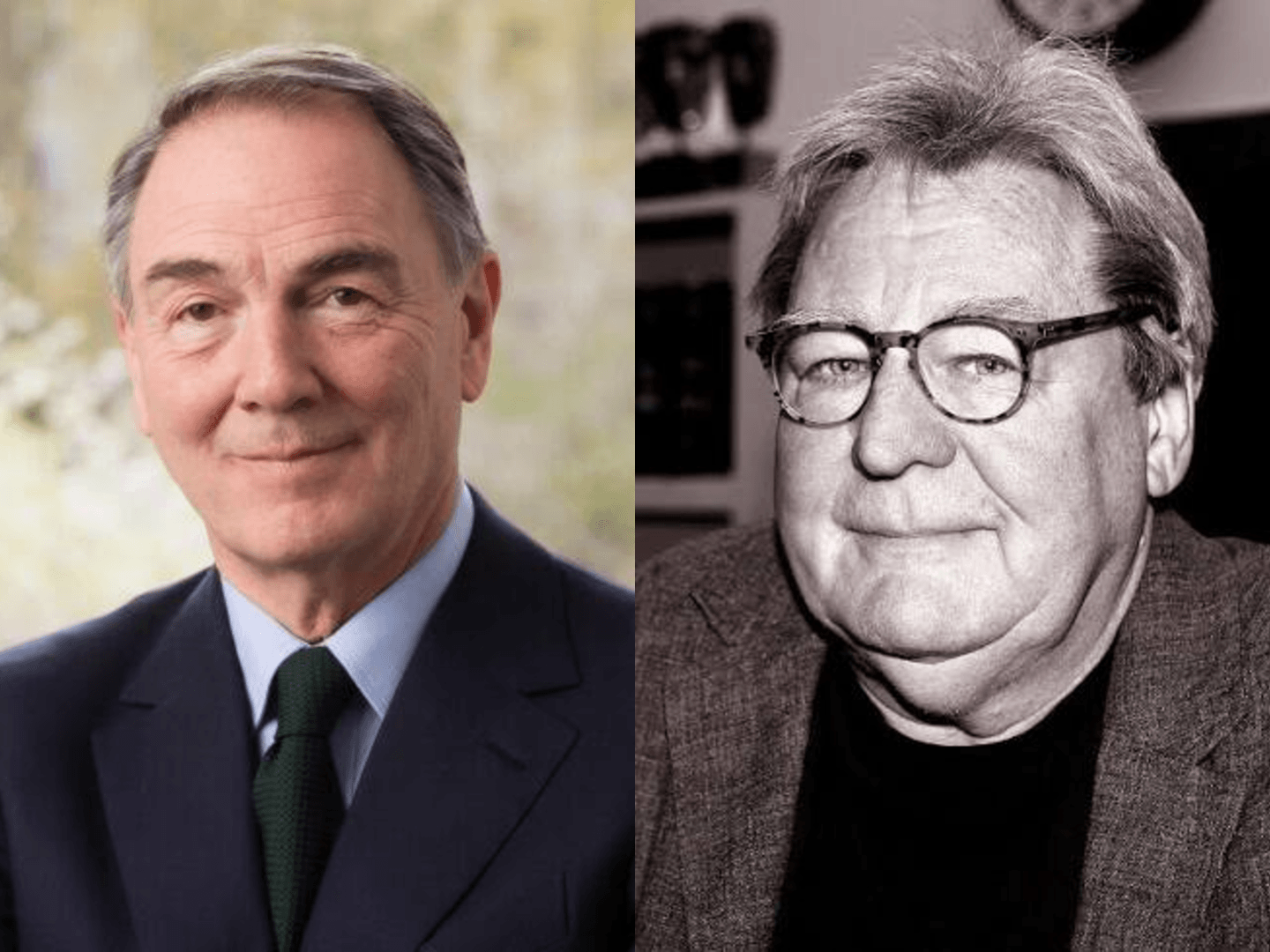
Sir Alan Parker was a celebrated British filmmaker whose diverse body of work, from Bugsy Malone to Mississippi Burning, won a combined 19 BAFTA awards, 10 Golden Globes, and 10 Oscars . Beyond directing, he was a fierce advocate for the UK film industry, serving as the founding chairman of the UK Film Council and leaving a lasting legacy through his archive .
Sir Alan Parker was born in Islington, London, on 14 February 1944 . He began his career in advertising as a copywriter before quickly moving into writing and directing commercials . By the late 1960s, he was part of an influential group of British directors, alongside Ridley Scott and Hugh Hudson, who revolutionised television advertising by bringing cinematic storytelling to the medium .
His television debut came in 1974 with the BBC film The Evacuees, written by Jack Rosenthal . The production won an International Emmy and a BAFTA for direction, marking the first of Parker’s seven BAFTA awards . He then wrote and directed his first feature film, Bugsy Malone, in 1976 . This unique musical pastiche of 1930s gangster films, cast entirely with children, received eight BAFTA nominations and won five .
Parker’s second film was the controversial Midnight Express in 1978 . It earned him his first Academy Award nomination for Best Director and won two Oscars . He followed this with Fame in 1980, a celebration of youthful ambition in the arts that won two Academy Awards . That same year, he also directed the seminal Pink Floyd – The Wall, which became a classic of the rock-opera film genre .Sir Alan Parker Quick Bio
Note on height and net worth: No authoritative source confirms Sir Alan Parker’s height. Figures circulating online come from unreliable databases. Similarly, net worth estimates for the filmmaker are not available from verified financial disclosures.
His 1984 film Birdy won the Grand Prix Spécial du Jury at the Cannes Film Festival . Parker then directed the civil rights drama Mississippi Burning in 1988, which brought him a second Best Director nomination at the Academy Awards . The film won the Oscar for Best Cinematography . Other notable credits include Angel Heart (1987), The Commitments (1991), Evita (1996), and his final film, The Life of David Gale (2003) .
Beyond his work as a director, Parker was a passionate advocate for the British film industry . He was a founding member of the Directors Guild of Great Britain and served as Chairman of the British Film Institute . In 2000, he became the founding Chairman of the UK Film Council, a position he held for five years . He argued for government support of film as both an art form and an industrial force, while championing public subsidy for projects with creative risk .
Parker received a CBE in 1995 and was knighted in 2002 for his services to the film industry . In 2013, he was awarded the prestigious BAFTA Fellowship, the highest honour the Academy can bestow . Upon receiving the award, Parker said he was “enormously flattered and honoured,” noting that “when you make your first film, you’re sure it will be your last” .
In 2015, Parker donated his entire working archive to the BFI National Archive . The collection, covering over 45 years of his career, filled more than 70 large boxes and included scripts, production papers, and his own filmmaking diaries . He said he could not think of a “better home” for the collection, knowing it would be “available to future students of film” .
After retiring from the industry, Parker renewed his artistic passion for silk screen printing and painting . He died on 30 July 2020, aged 76, following a lengthy illness . He was survived by his wife Lisa Moran-Parker, five children, and seven grandchildren . The Academy of Motion Picture Arts and Sciences remembered him as “a chameleon” and an “extraordinary talent” whose work “entertained us, connected us and gave us such a strong sense of time and place” .
Sir Alan Parker leaves behind a dual legacy: a body of evergreen films that shaped modern cinema and a sustained commitment to building the infrastructure and recognition for British filmmaking that he believed it deserved . His archive at the BFI ensures that future generations can study not only his films but the working process of a director who was, in the words of the Academy, an extraordinary talent .
What was Sir Alan Parker best known for?
Sir Alan Parker was a British director, writer, and producer known for films including Bugsy Malone, Midnight Express, Fame, Mississippi Burning, The Commitments, and Evita. His films collectively won 19 BAFTA awards, 10 Golden Globes, and 10 Oscars, though he never personally won a competitive Oscar for directing.
How many times was Sir Alan Parker nominated for an Academy Award for Best Director?
He received two Best Director nominations: one for Midnight Express (1978) and another for Mississippi Burning (1988). Midnight Express earned six Oscar nominations total and won two, while Mississippi Burning received seven nominations and won for Best Cinematography.
What role did Sir Alan Parker play in the British film industry beyond directing?
He was a founding member of the Directors Guild of Great Britain and served as the first chairman of the UK Film Council, beginning in 1999. He was also chairman of the British Film Institute and received a CBE in 1995 and a knighthood in 2002 for his services to the film industry.
What did Sir Alan Parker do with his career archive?
In 2015, he donated his entire working archive to the BFI National Archive. The collection covered over 45 years of his career and filled more than 70 large boxes, containing scripts, production papers, posters, and his own filmmaking diaries. Parker said he could not think of a “better home” for the material.
When did Sir Alan Parker die and what was his age?
He died on 30 July 2020 at the age of 76, following a lengthy illness. He was survived by his wife Lisa Moran-Parker, five children, and seven grandchildren.
