
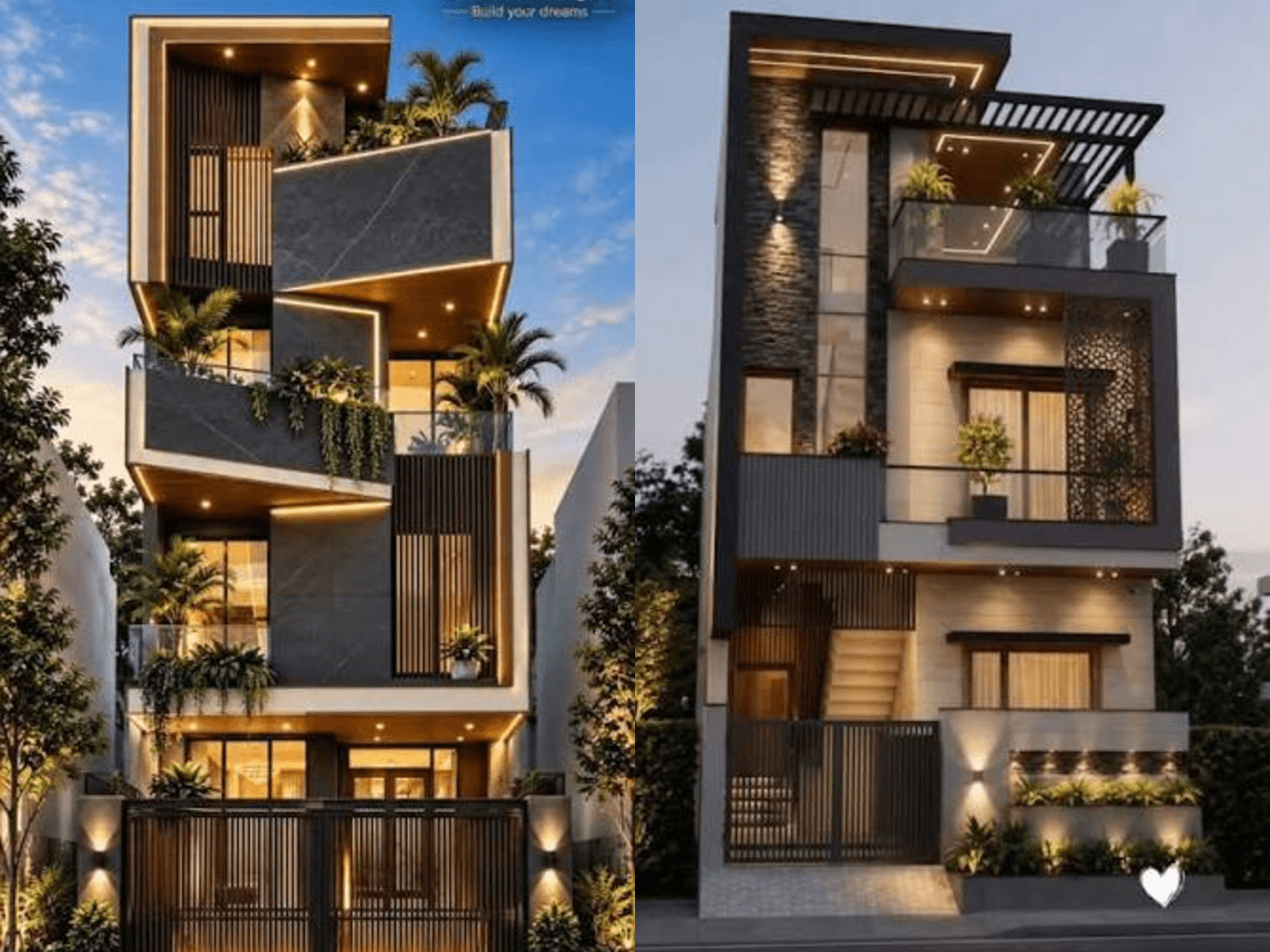
“Exterior design drhomey” is not a verified design authority or established professional service. It is a phrase that appears almost entirely on low-traffic blogs and domain-registration shells, with no official organization, named designer, or published project record behind it.
The phrase circulates as a label for generic curb-appeal advice, not as a brand with accountable expertise. Sites using it repeat familiar exterior tips about color, entryways, materials, and lighting, but none cite a designer, a completed project, or an industry body. A Nextdoor user in Harrisburg, Pennsylvania, warned in May 2026 that a company using the Drhomey name appeared to be a scam, noting there was no legitimate website and no stated headquarters location. That warning is a single unverified anecdote and should not be treated as proof of fraud, but it reinforces the need for caution.
Domain records support the skepticism. The site drhomey.net was registered on August 13, 2024, through NameCheap, with WHOIS data hidden and a low traffic ranking according to Tranco. ScamAdviser noted that the registrar attracts a high percentage of spam and fraud sites, though it also confirmed a valid SSL certificate. The domain drhomey.com showed an SSL certificate that expired on April 16, 2025, and one tracker listed the site as offline by July 2025. These are infrastructure signals, not design credentials.Fields that cannot be populated:
| Field | Status |
|---|---|
| Full name | No verified person exists |
| Age / Birthplace | Unverifiable |
| Nationality | Unverifiable |
| Profession | No credentialed individual identified |
| Height | Unverifiable |
| Education | Unverifiable |
| Years active | Unverifiable |
| Notable works | No verified projects |
| Awards | None found |
| Net worth | No financial records exist |
| Spouse/Partner | Unverifiable |
| Social media | No verified official accounts |
What I can offer instead: A factual “Brand Status Snapshot” table documenting the domain and verification status of the Drhomey label, drawn only from what the research actually supports.
Would you like that alternative, or would you prefer to specify a different subject that has verifiable biographical information?
The useful material buried under the label is ordinary exterior design guidance. That advice holds up independently of the Drhomey name. A well-defined front door, for instance, helps a facade read clearly from the street, and designers often use a canopy or scaled lighting to establish that hierarchy. Material choices should respond to local climate rather than trend, because sun, rain, and freeze-thaw cycles determine long-term performance. Landscaping works best when it frames architecture instead of hiding it, and low plantings near an entry can guide the eye without obscuring the door. These principles appear across reputable design practice, not just on Drhomey-branded pages.
Color selection follows similar logic. Lighter exterior shades reflect heat in warmer regions, while darker tones can add warmth in cooler climates. Neutral bases with a controlled accent color tend to age better than high-contrast schemes that date quickly. None of this requires a proprietary method. It is standard exterior planning, and homeowners can apply it without relying on an unverified source.
For readers who encounter “exterior design drhomey” in search results, the practical takeaway is to separate the ideas from the label. The design suggestions may be sound in isolation, but the phrase itself carries no verifiable authority. Before acting on any exterior renovation advice, check whether the source names a licensed designer, shows real completed projects, and can be cross-referenced with an industry association. If a site cannot answer those basic questions, its advice should be treated as general inspiration rather than professional guidance.
The honest conclusion is simple. “Exterior design drhomey” is not a design style, a credential, or a trustworthy brand. It is a search term attached to generic content on unstable domains. The underlying principles about entryways, materials, lighting, and landscaping are worth considering, but they should be verified through licensed professionals or established design publications before anyone commits money to a facade project.
Is “exterior design drhomey” a legitimate design company?
There is no verified evidence that it is. No official organization, named designer, or completed project record is publicly associated with the phrase. Domain records show drhomey.net registered on August 13, 2024, and an drhomey.com SSL certificate that expired on April 16, 2025. Treat it as a search label, not an accountable business.
What does “exterior design drhomey” usually refer to?
It is used loosely across niche home blogs to describe general curb-appeal advice. Typical topics include exterior color and material selection, front door and entryway emphasis, landscaping, and outdoor lighting. The ideas are ordinary exterior design principles; the Drhomey name adds no verified methodology or expertise.
Can I safely use the exterior design tips published under this term?
The individual tips can be reasonable, but the source cannot be verified. Before spending money, confirm whether the advice names a licensed designer, shows real completed projects, and can be cross-referenced with an industry association. If a site cannot answer those questions, use the content as inspiration only.
Why should I be cautious about Drhomey-branded websites?
A Nextdoor user in Harrisburg, Pennsylvania, warned in May 2026 that a Drhomey-named company appeared to be a scam, citing no legitimate website and no stated headquarters. That is a single unverified anecdote. Separately, ScamAdviser noted the registrar behind drhomey.net attracts a high share of spam and fraud sites.
Where should I look for reliable exterior design guidance instead?
Use licensed architects or designers with verifiable credentials, established design publications, and professional architecture and design associations. These sources can show completed projects, cite building standards, and stand behind their recommendations. They offer the same curb-appeal principles with accountability the Drhomey label does not provide.
